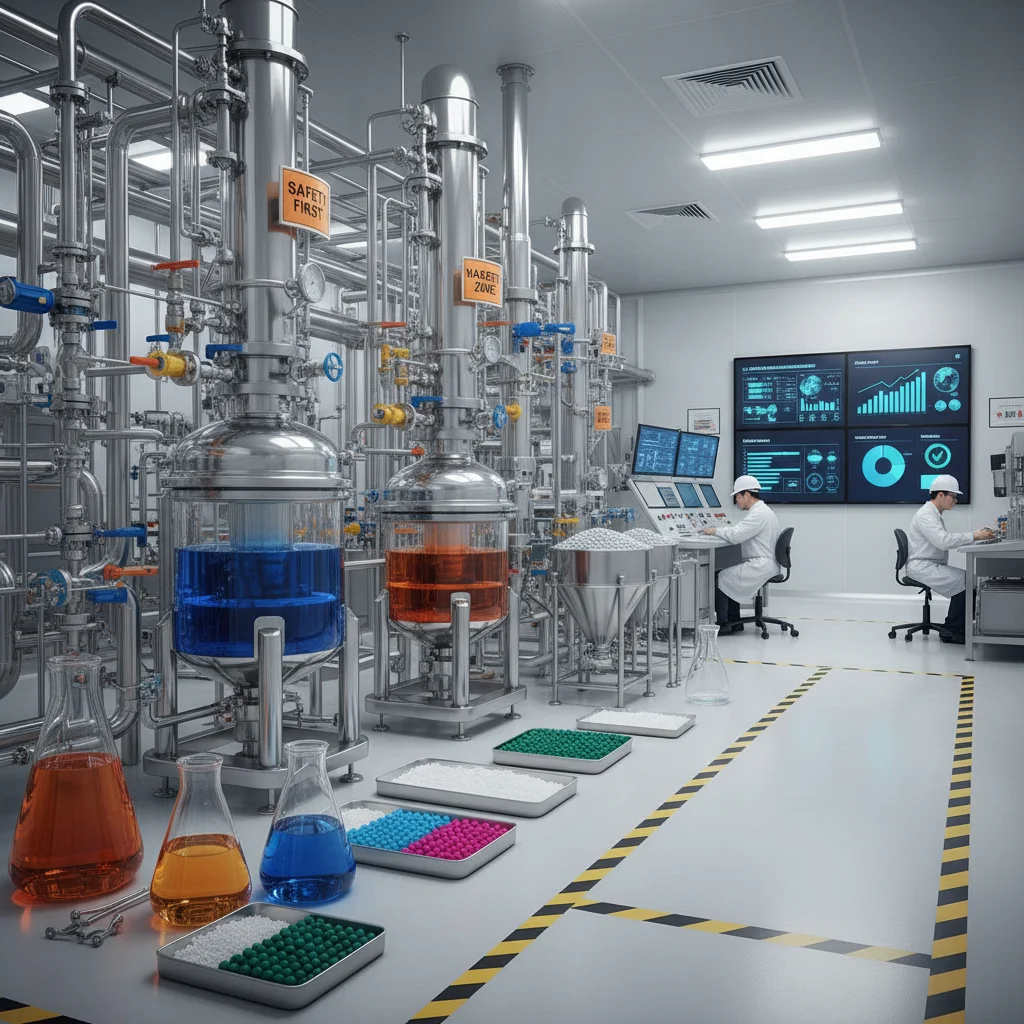
In the complex landscape of pharmaceutical synthesis, the role of a specialized Bromine Plus factory is pivotal for ensuring the stability and purity of active pharmaceutical ingredients (APIs). Brominated intermediates serve as the backbone for a vast array of therapeutic agents, from sedative-hypnotics to advanced cardiovascular drugs, making the precision of the manufacturing process a global health priority.
The demand for high-purity fine chemicals has pushed the Bromine Plus factory to evolve beyond simple production, integrating advanced catalytic processes and rigorous quality control systems. By bridging the gap between raw bromine extraction and sophisticated pharmaceutical intermediates, these facilities enable the scalable production of life-saving medications while adhering to strict international safety standards.
Understanding the operational dynamics of a modern Bromine Plus factory provides insight into how the chemical industry balances high-reactivity synthesis with environmental stewardship. From the production of Thiophene and Hydantoin series intermediates to industrial water treatment solutions, the synergy of chemistry and engineering ensures that the global supply chain remains resilient and innovative.
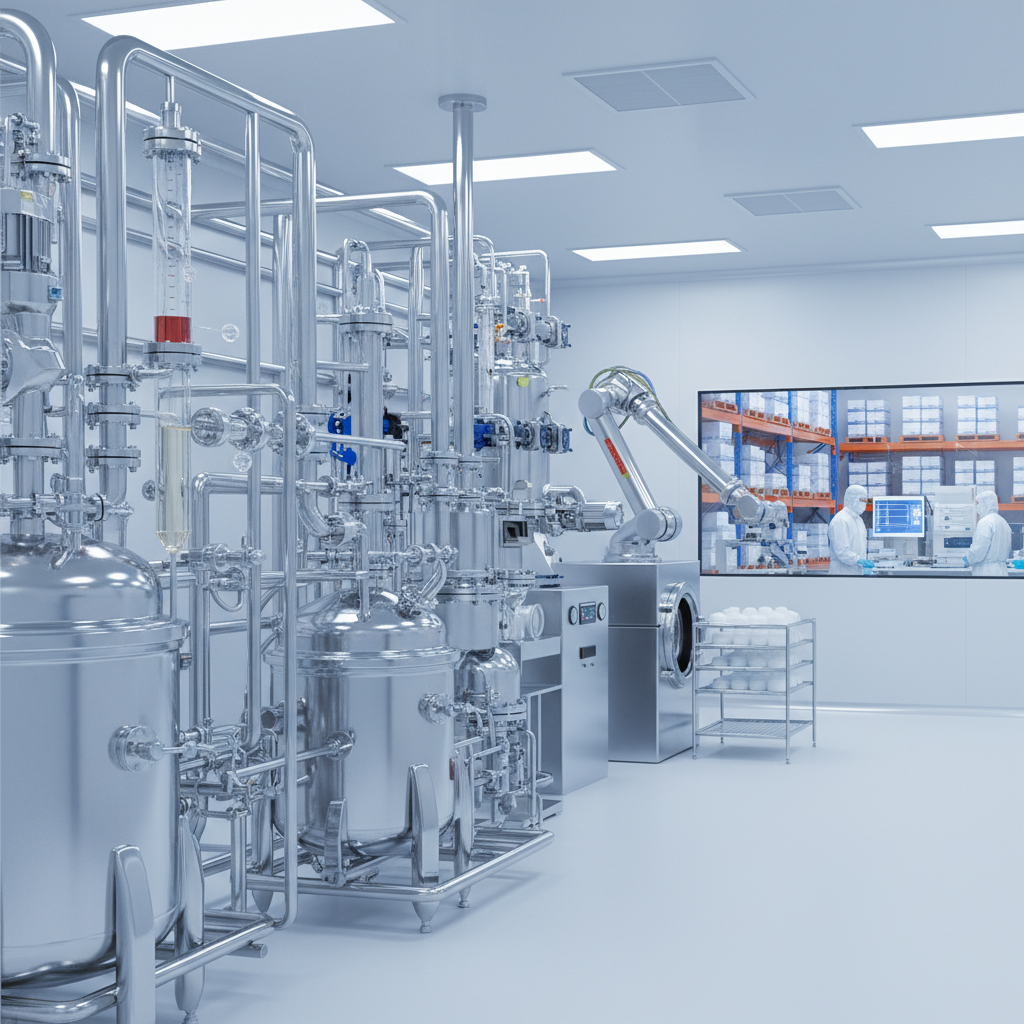
Global Industry Context of Bromine Plus factory
The global chemical market is currently experiencing a shift toward high-specialization, where the Bromine Plus factory acts as a critical node in the pharmaceutical supply chain. With the rise of chronic diseases and the subsequent need for more complex molecules, the demand for bromine-based intermediates has grown by an estimated 4-6% annually, according to recent industry analysis.
However, the industry faces a significant challenge: the high reactivity and toxicity of elemental bromine. A world-class Bromine Plus factory must implement rigorous ISO-certified containment protocols to mitigate risks while maximizing the yield of pharmaceutical intermediates, ensuring that the transition from raw material to refined chemical is both safe and efficient.
Defining the Operational Scope of Bromine Plus factory
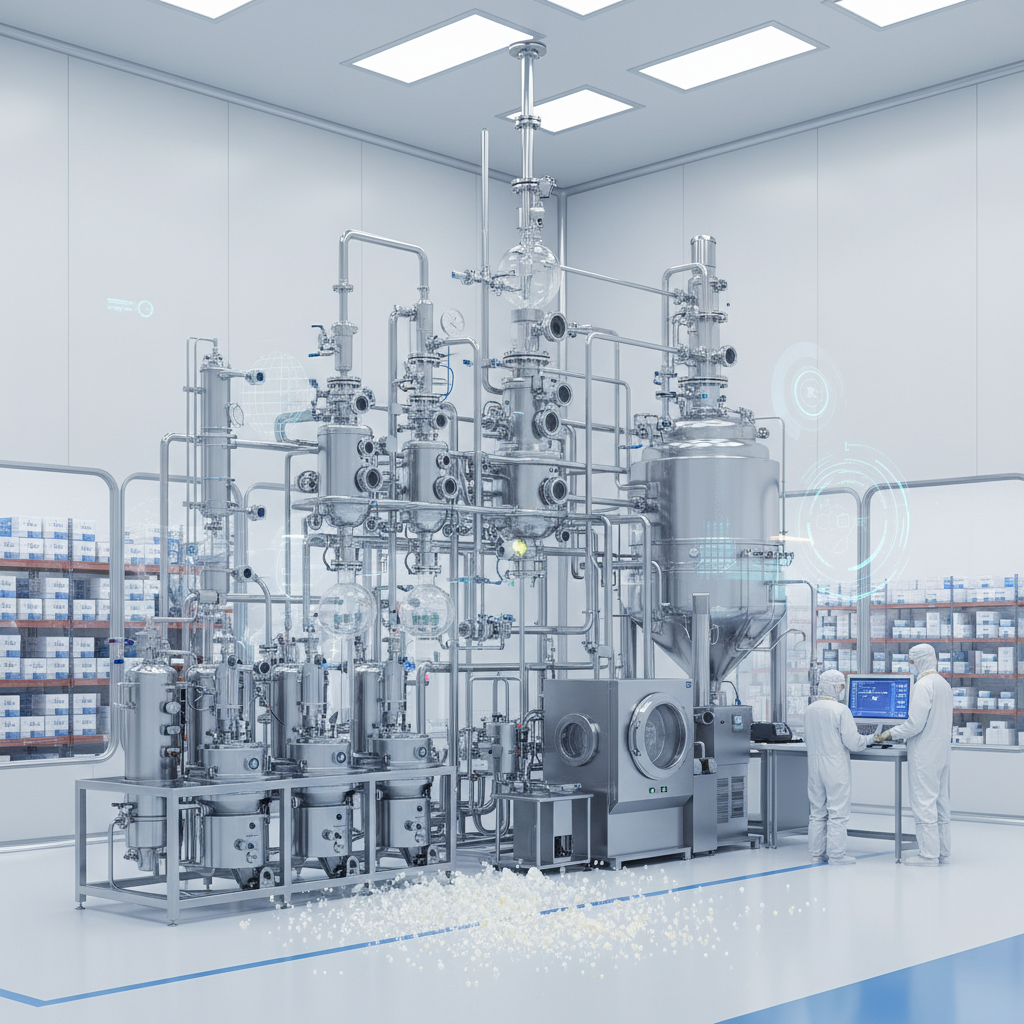
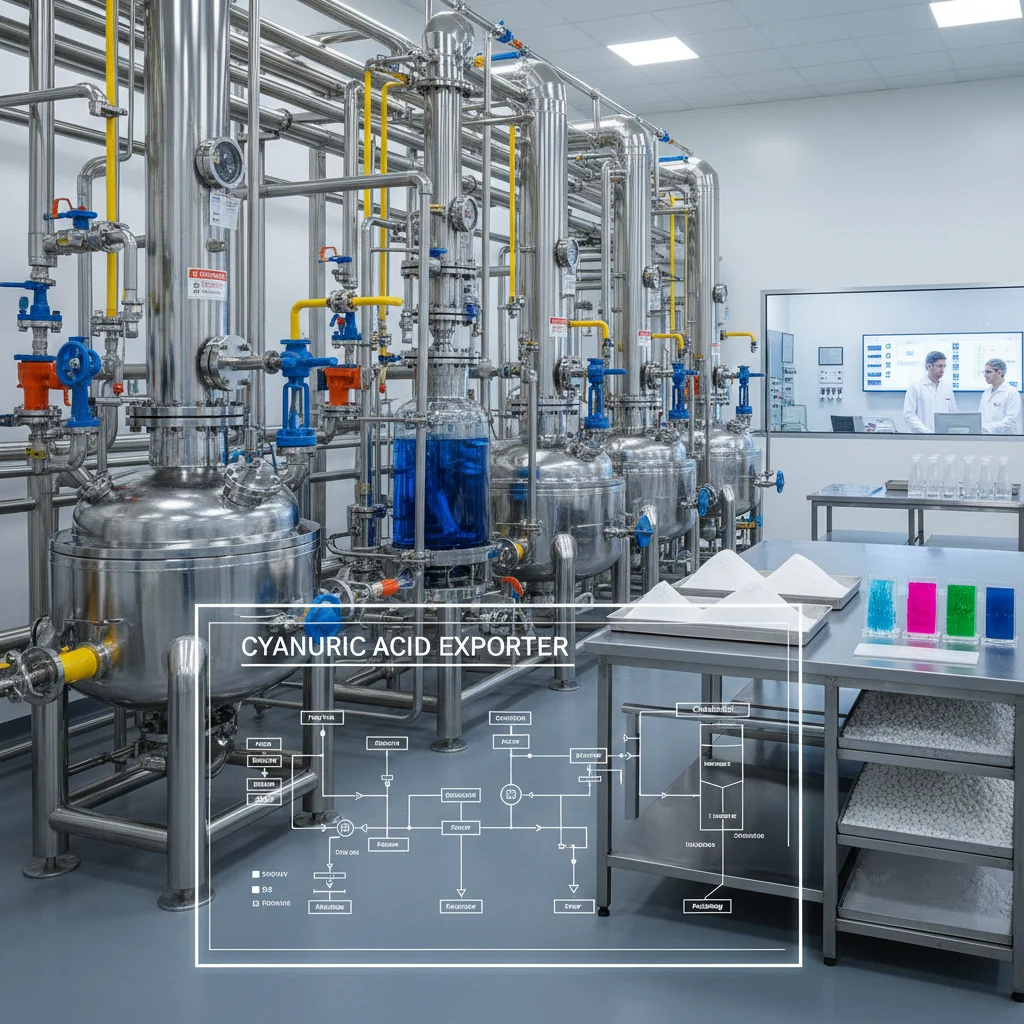
At its core, a Bromine Plus factory is a specialized chemical manufacturing facility designed to handle the complex halogenation of organic compounds. Unlike general-purpose chemical plants, these facilities are engineered with corrosion-resistant materials—such as glass-lined reactors and Hastelloy piping—to withstand the aggressive nature of bromine and hydrobromic acid.
The operational scope extends far beyond simple synthesis; it encompasses the production of specialized series such as Hydantoin and Thiophene derivatives. These intermediates are essential building blocks for a variety of pharmaceutical drugs, ranging from anti-epileptics to advanced antibiotics, effectively translating raw chemical energy into therapeutic value.
Beyond pharmaceuticals, the Bromine Plus factory also serves the industrial water treatment sector. By producing high-efficiency biocides and pool and spa water treatment chemicals, these factories ensure public health and safety in municipal and industrial water systems across the globe.
Core Components of Bromine Plus factory Excellence
To maintain a competitive edge, a Bromine Plus factory must prioritize chemical purity and precision. This involves the use of advanced chromatography and spectroscopy to ensure that every batch of pharmaceutical intermediates meets the stringent requirements of global pharmacopeias.
Scalability and Flexibility are equally critical. A modern Bromine Plus factory employs modular reactor designs, allowing it to pivot quickly between different product lines—such as switching from Thiophene series intermediates to industrial water treatment chemicals based on market demand.
Finally, environmental compliance serves as the foundation of operational longevity. By implementing closed-loop bromine recovery systems, a Bromine Plus factory reduces hazardous waste and lowers raw material costs, aligning industrial profit with ecological responsibility.
Global Applications of Bromine Plus factory Products
The output of a Bromine Plus factory is integrated into diverse sectors worldwide. In the medical field, the Hydantoin series intermediates are exported to pharmaceutical hubs in Europe and North America, where they are converted into crucial medications for neurological disorders.
In industrial zones across Asia and the Middle East, the water treatment chemicals produced by the Bromine Plus factory are indispensable for preventing biofilm buildup in cooling towers and desalination plants, thereby extending equipment lifespan and reducing energy consumption.
Performance Metrics of Bromine Plus factory Production Methods
Long-term Value and Reliability of Bromine Plus factory
Investing in a partnership with a certified Bromine Plus factory offers tangible long-term advantages. Beyond the immediate supply of chemicals, the reliability of consistent purity profiles reduces the risk of batch failure in downstream pharmaceutical production, which can save companies millions in potential losses.
Furthermore, the focus on sustainability within a Bromine Plus factory creates a resilient supply chain. By adopting green chemistry principles, these factories ensure they can operate under increasingly strict environmental laws, providing a secure and ethical source of fine chemicals for decades to come.
Future Innovations in Bromine Plus factory Tech
The next generation of the Bromine Plus factory is leaning heavily into digital transformation. The implementation of AI-driven process control systems allows for real-time monitoring of exothermic reactions, drastically increasing safety and ensuring that temperature fluctuations do not compromise the quality of the pharmaceutical intermediates.
Continuous flow chemistry is another frontier being explored. By moving away from traditional batch processing, a Bromine Plus factory can achieve higher throughput with a smaller physical footprint, reducing the amount of hazardous material held in the system at any given time.
Additionally, there is a growing trend toward "Green Bromination." The Bromine Plus factory of the future will likely utilize bio-based catalysts and solvent-free reactions to minimize the carbon footprint of fine chemical production, meeting the global demand for sustainable medicine.
Challenges and Strategic Solutions for Bromine Plus factory
Despite its advantages, the Bromine Plus factory faces significant challenges, primarily regarding the volatility of raw material prices and the corrosive nature of the chemicals involved. The cost of bromine can fluctuate based on geopolitical stability and mining output, creating pricing instability for end-users.
To solve this, leading facilities have adopted vertical integration strategies, securing long-term contracts with brine extractors or investing in their own recovery units. This ensures that the Bromine Plus factory can maintain price stability and uninterrupted production cycles.
Another critical hurdle is the management of hazardous waste. The solution lies in the "Circular Bromine Economy," where waste streams are treated and the bromine is recaptured and reintroduced into the synthesis cycle, transforming a liability into a resource.
Strategic Analysis of Bromine Plus factory Operational Dimensions
| Dimension |
Current Challenge |
Strategic Solution |
Impact Score (1-10) |
| Material Corrosion |
Rapid equipment wear |
Tantalum-lined reactors |
9 |
| Waste Management |
Acidic byproduct disposal |
Closed-loop recovery |
10 |
| Supply Chain |
Raw bromine volatility |
Vertical integration |
8 |
| Product Purity |
Trace impurity levels |
Multi-stage distillation |
9 |
| Energy Usage |
High heating costs |
Heat exchange optimization |
7 |
| Regulatory Compliance |
Strict REACH/FDA rules |
Automated QA tracking |
10 |
FAQS
A Bromine Plus factory is specifically engineered for halogenation. This includes the use of specialized corrosion-resistant materials like glass lining and Hastelloy, as well as stringent safety protocols to handle the volatility of bromine. Unlike general plants, they focus on high-purity pharmaceutical intermediates such as Thiophene and Hydantoin series.
Purity is ensured through multi-stage distillation and the application of advanced analytical techniques like HPLC (High-Performance Liquid Chromatography) and GC-MS. By controlling reaction parameters in real-time and utilizing precise crystallization methods, the factory minimizes side-products and trace impurities.
While bromine chemistry is inherently challenging, a modern Bromine Plus factory employs "green chemistry" by implementing closed-loop recovery systems. These systems recapture unused bromine and neutralize acid waste, significantly reducing the environmental impact compared to traditional open-system manufacturing.
The primary beneficiaries are the pharmaceutical and water treatment industries. Pharmaceutical companies use these intermediates to synthesize APIs for neurological and cardiovascular drugs. Meanwhile, the water treatment sector utilizes these chemicals for high-efficiency disinfection in pools, spas, and industrial cooling systems.
Logistics are handled via specialized hazardous material containers and strictly regulated transport protocols. The factory coordinates with certified logistics partners to ensure that bromine and its derivatives are transported under temperature-controlled and leak-proof conditions, adhering to international IMDG and IATA standards.
Yes, many advanced facilities offer custom synthesis services. By leveraging their expertise in halogenation, they can collaborate with pharmaceutical R&D teams to develop specific brominated building blocks tailored to new drug candidates, providing scalability from lab-scale to commercial production.
Conclusion
The Bromine Plus factory stands as a cornerstone of modern chemical manufacturing, bridging the gap between raw elemental bromine and the sophisticated molecules required for global health and industrial sanitation. Through the integration of corrosion-resistant engineering, stringent quality control, and a commitment to the circular economy, these facilities ensure that the production of pharmaceutical intermediates and water treatment chemicals remains sustainable, safe, and highly efficient.
Looking ahead, the transition toward continuous flow chemistry and AI-driven process optimization will further elevate the capabilities of the Bromine Plus factory. For companies seeking reliability and purity in their chemical supply chain, partnering with a facility that prioritizes both innovation and environmental stewardship is not just a strategic advantage—it is a necessity for long-term success. Visit our website: www.leache-chem.com