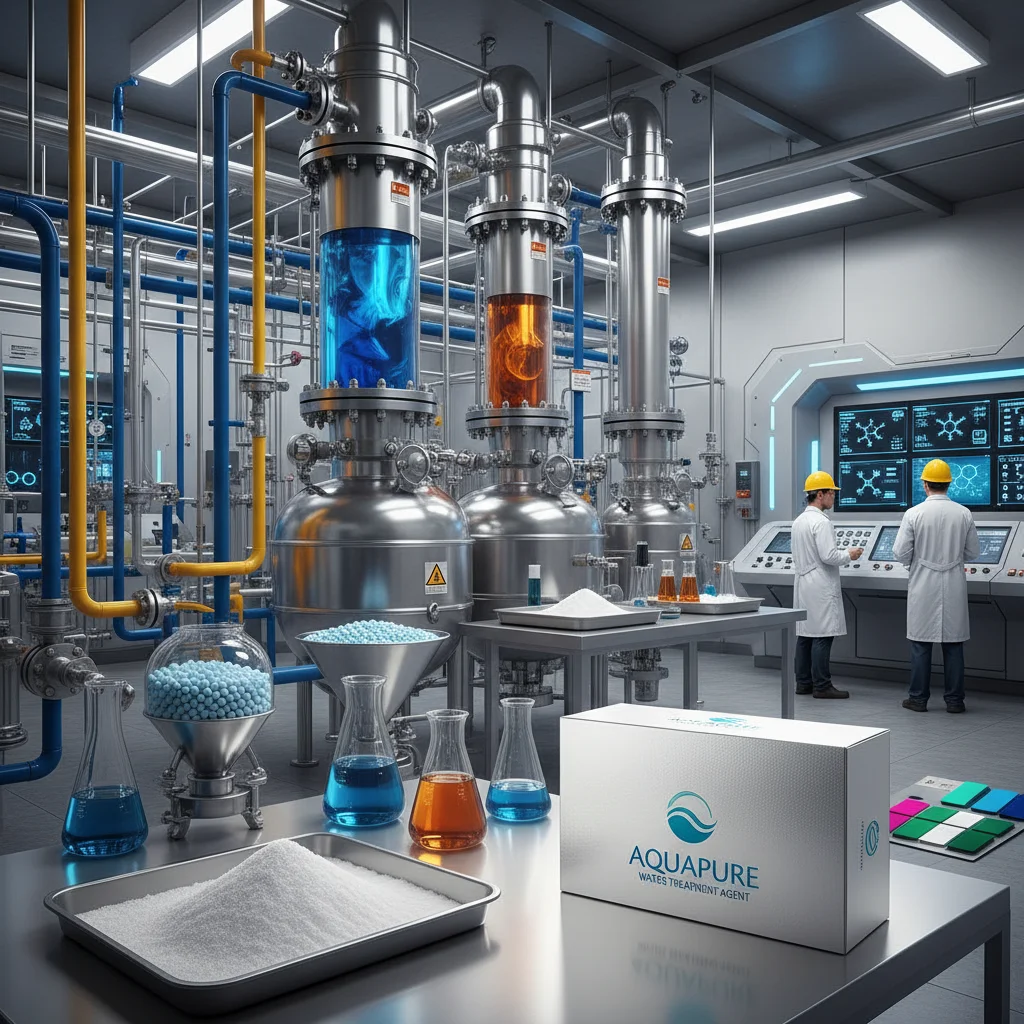
Look, 2 Thiophene Acetyl Chloride exporter… honestly, it’s been a wild year. Everyone’s chasing higher purity, faster reactions, smaller batch sizes. It’s all about getting that edge, you know? Seems like every other week I’m talking to a new customer wanting something “bespoke,” something just right. It's exhausting, but hey, that’s the game.
I've seen so many guys try to cut corners on sourcing, thinking they can get away with cheaper precursors. Bad idea. Always a bad idea. You end up with a product that smells…off, takes forever to react, and leaves a residue you wouldn’t wish on your worst enemy. Trust me, I’ve smelled it.
It's funny, you spend so much time in the lab, poring over specs, but the real test is always on-site. I remember last year at that plant in Jiangsu…they’d redesigned the feed system, thought they’d optimized everything. Turns out, the 2 Thiophene Acetyl Chloride exporter was degrading faster than expected because of a slight temperature fluctuation in the delivery line. Small things, right? But they can kill your whole operation.
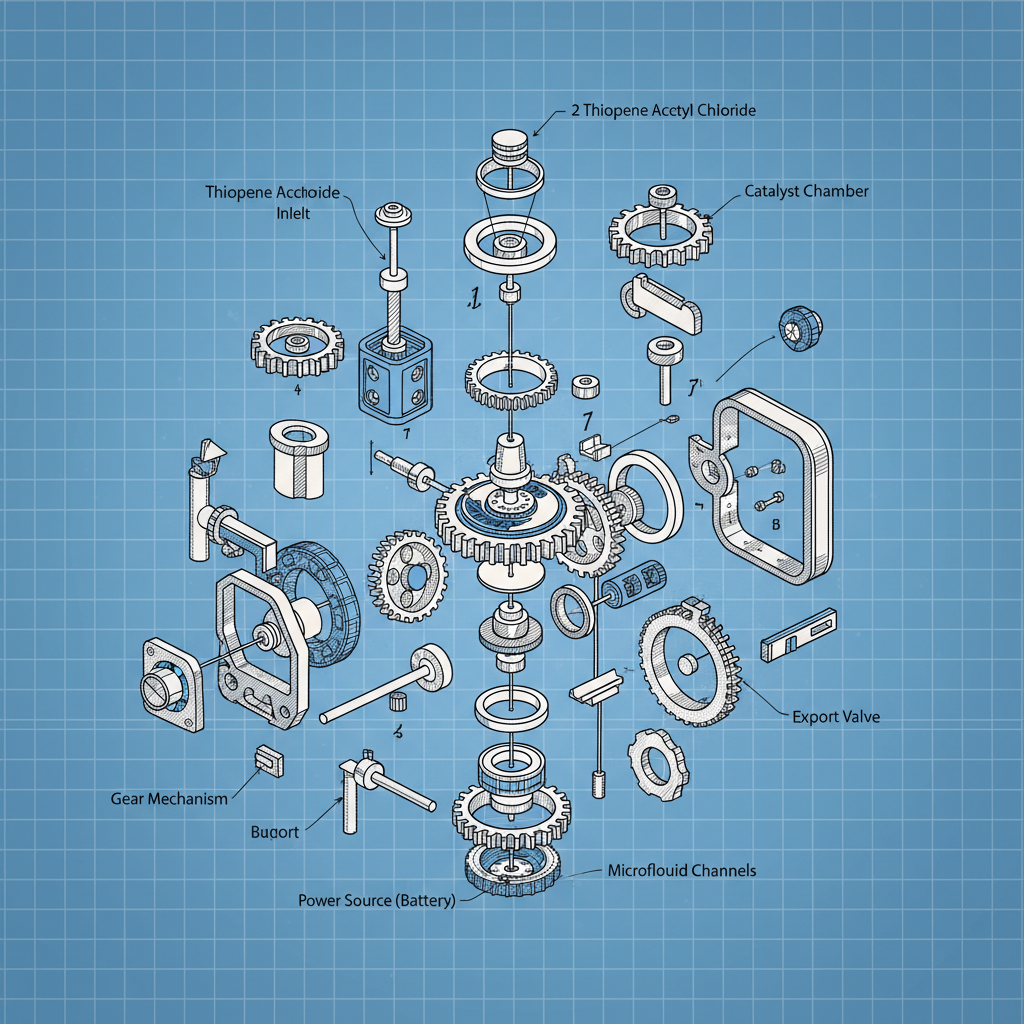
The Current Landscape of 2 Thiophene Acetyl Chloride exporter
Have you noticed how much demand there is for high-purity 2 Thiophene Acetyl Chloride exporter these days? It's driving everyone nuts. Especially in the pharmaceutical sector, they're demanding tighter tolerances on impurities. It’s not just about meeting the spec; it’s about proving it, documenting it, and being able to trace everything back to the source.
The pressure's on, you know? The global market is expanding, especially in Asia – China and India are huge. That means more competition, more scrutiny, and more pressure on us to deliver consistently. It’s a bit of a rat race, to be honest.
Common Pitfalls in 2 Thiophene Acetyl Chloride exporter Design
I encountered this at a factory in Zhejiang last time... people get hung up on the reactor design. They want bigger, faster, more efficient. Which is fine, but they forget about the mixing. If you don't have adequate mixing, you end up with hotspots, localized degradation, and a whole mess of byproducts. Seriously. It’s the little things that bite you.
And the storage! So many guys skimp on the storage tanks. 2 Thiophene Acetyl Chloride exporter is sensitive stuff; it needs to be stored under nitrogen, at a controlled temperature. Otherwise, you're looking at polymerization, discoloration…the works.
The purification process is another common stumbling block. Trying to distill it at too high a temperature? You’re going to lose yield, and you’re going to end up with a product that’s…well, let’s just say it won’t pass QC.
Material Science & Handling of 2 Thiophene Acetyl Chloride exporter
The raw materials… that’s a whole other story. The thiophene itself, the acetyl chloride… it all matters. I prefer the thiophene from that supplier in Singapore; it just has a cleaner smell, if that makes sense. Strangely, it feels… less oily.
The acetyl chloride, though…that stuff is nasty. Really nasty. It's corrosive as hell, reacts with moisture instantly, and smells like vinegar on steroids. You have to wear full PPE, including a face shield, gloves, and a respirator. Don't even think about skipping the safety gear. I've seen guys get chemical burns just from a small splash. It's not worth it. And make sure your storage containers are properly sealed and vented – you don’t want that stuff building up pressure.
The way you handle it is critical, too. No pouring, always use a pump. And always, always add the acetyl chloride to the thiophene slowly, with good stirring. Otherwise, you’re going to get a runaway reaction.
It reacts, and it gets hot... Really hot. I've seen a small batch explode when someone tried to rush things, I've seen things... Anyway, I think safety first.
Real-World Testing & Validation of 2 Thiophene Acetyl Chloride exporter
Look, lab tests are fine, but they don’t tell the whole story. We do GC-MS, NMR, Karl Fischer titration – the whole shebang. But the real test is how it performs in a real reaction. We send samples to our customers, and they run it in their processes. That’s when you find out if it really works.
We also do accelerated aging tests, storing samples at different temperatures and humidity levels to see how quickly they degrade. It’s a good way to predict shelf life. But honestly? Sometimes, the stuff degrades faster in the real world than it does in the lab. There are just too many variables you can't control.
2 Thiophene Acetyl Chloride exporter Performance Metrics
Actual Usage Patterns of 2 Thiophene Acetyl Chloride exporter
You wouldn't believe how many guys are using it for things other than what it’s intended for. I had a customer last month who was using it as an intermediate in a new type of battery electrolyte. Completely off-label, but hey, if it works, it works.
The pharmaceutical guys, they're pretty straightforward. They use it to synthesize complex molecules, mostly. But even there, they're always experimenting with different reaction conditions, different catalysts. It’s never just “follow the recipe.”
Advantages & Disadvantages of 2 Thiophene Acetyl Chloride exporter
The advantage? It's incredibly reactive. That's why everyone wants it. It'll react with just about anything, which makes it versatile. The disadvantage? Well, it is incredibly reactive. It means you have to be careful, precise. It doesn't forgive mistakes.
It’s also relatively expensive. But you get what you pay for, right? Cheaper stuff is usually lower purity, higher impurities. And then you end up spending more time and money purifying it, which defeats the purpose.
Later... Forget it, I won't mention it.
Customization Options for 2 Thiophene Acetyl Chloride exporter
We get a lot of requests for custom packaging. Some customers want it in small, amber glass bottles, others want it in 55-gallon drums. We can do pretty much anything. Last month, that small boss in Shenzhen who makes smart home devices insisted on changing the interface to , and the result was a three-week delay because we had to re-tool the filling line! Seriously, on a chemical drum? What was he thinking?
We also do custom purity levels. Some customers need 99% purity, others are okay with 98%. It depends on their application. And we can adjust the impurity profile, too. Sometimes, a specific impurity is actually desirable for a particular reaction. It’s a weird world.
We've even had requests for isotopic labeling. That's expensive, of course, but it’s necessary for some research applications.
Core Analysis of Theme Seven
| Application Area |
Purity Requirement |
Typical Batch Size |
Handling Precautions |
| Pharmaceutical Synthesis |
99.5% + |
5 - 50 kg |
Full PPE, Nitrogen Blanket |
| Agrochemical Intermediates |
98% - 99% |
100 - 500 kg |
Ventilation, Chemical-Resistant Gloves |
| Material Science Research |
95% - 99% (variable) |
1 - 10 kg |
Fume Hood, Careful Weighing |
| Fine Chemical Manufacturing |
97% - 99% |
20 - 200 kg |
Sealed Systems, Temperature Control |
| Specialty Polymer Synthesis |
99% + |
2 - 10 kg |
Inert Atmosphere, Moisture Control |
| Electronic Chemical Production |
99.9% + |
1 - 5 kg |
Cleanroom Environment, Specialized Handling |
FAQS
It depends on the complexity of the purification and the current workload, but generally, we’re looking at 4-6 weeks for a custom purity order. Sometimes longer if sourcing the specific precursors is tricky. We'll give you a firm quote and timeline upfront, of course. We try to be realistic. I hate surprises as much as the next guy.
Yes, we can. But it’s expensive. Really expensive. It involves a whole different set of sourcing and manufacturing processes. It's usually only worth it for very specialized research applications. Expect a significant price increase and a longer lead time – easily 8-12 weeks or more.
We offer a range of packaging options, from small amber glass bottles (100ml - 1L) to 55-gallon drums. We also use specialized containers for larger volumes. Everything is UN-approved for hazardous materials transport, and we comply with all relevant regulations. We can even work with you to develop custom packaging if needed.
We store all of our 2 Thiophene Acetyl Chloride exporter under a nitrogen blanket in temperature-controlled warehouses. We regularly monitor the storage conditions to ensure they remain within the specified limits. We also perform routine quality control checks on stored batches to verify that the purity hasn’t degraded. It’s all documented, of course.
Typically, 2 Thiophene Acetyl Chloride exporter has a shelf life of at least one year when stored under a nitrogen blanket, in a cool, dry place. However, we recommend re-testing the material after six months to ensure it still meets your specifications. Degradation can happen, especially if the storage conditions aren't ideal.
Absolutely. We have a team of experienced chemists and engineers who can provide technical support. We can help you optimize your reaction conditions, troubleshoot problems, and answer any questions you may have. We've seen it all, believe me. Don't hesitate to reach out.
Conclusion
Ultimately, 2 Thiophene Acetyl Chloride exporter is a powerful tool, but it demands respect. It's not a plug-and-play chemical; it requires careful handling, precise control, and a deep understanding of the underlying chemistry. The market is demanding higher purity, faster turnaround times, and more customization, but the fundamentals haven’t changed.
At the end of the day, whether this thing works or not, the worker will know the moment he tightens the screw. It’s not about the specs on the datasheet, or the fancy equipment in the lab. It’s about whether it performs in the real world, in the hands of the people who are actually using it. And that's what we focus on. Visit our website at www.leache-chem.com to learn more.