Email:
info@leachechem.com

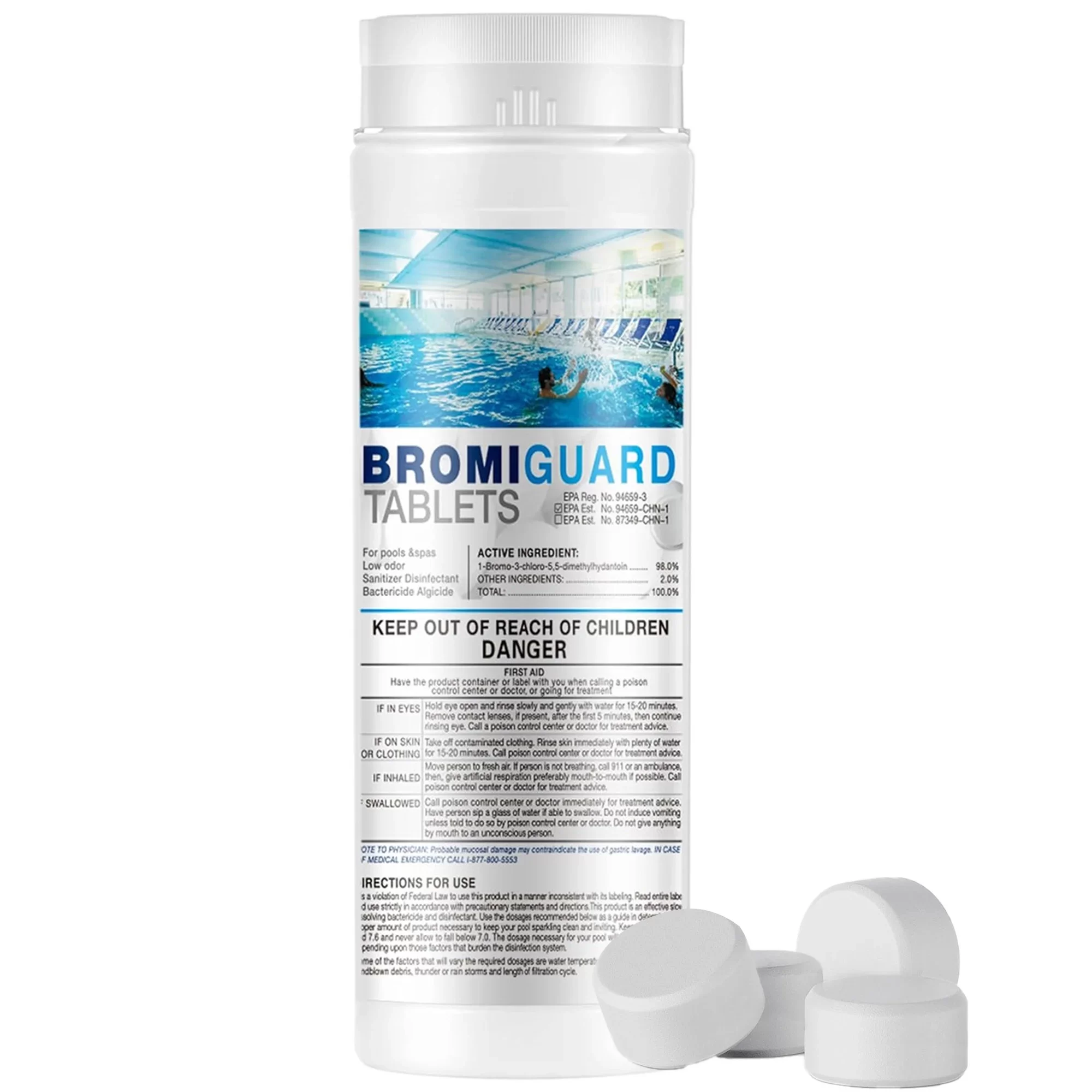
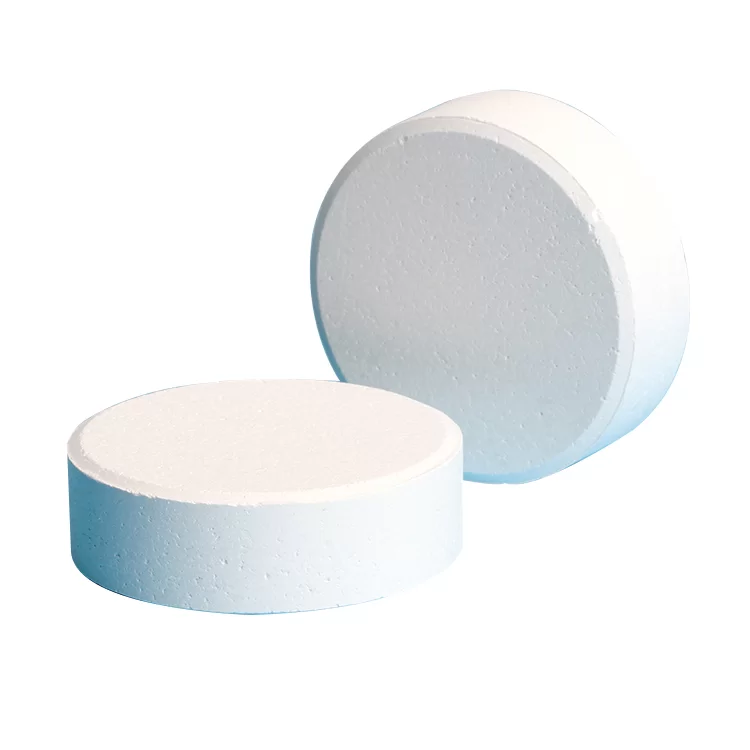
Looking for a reliable Dichloro 5 5 Dimethyl Hydantoin (DCDMH) manufacturer? Leache Chemical provides high-quality DCDMH for a range of applications, including water treatment, disinfection, and industrial processes. We specialize in consistent product quality, competitive pricing, and efficient global shipping. This article delves into the properties, applications, and sourcing of DCDMH, highlighting why Leache Chemical is a trusted partner for your chemical needs.
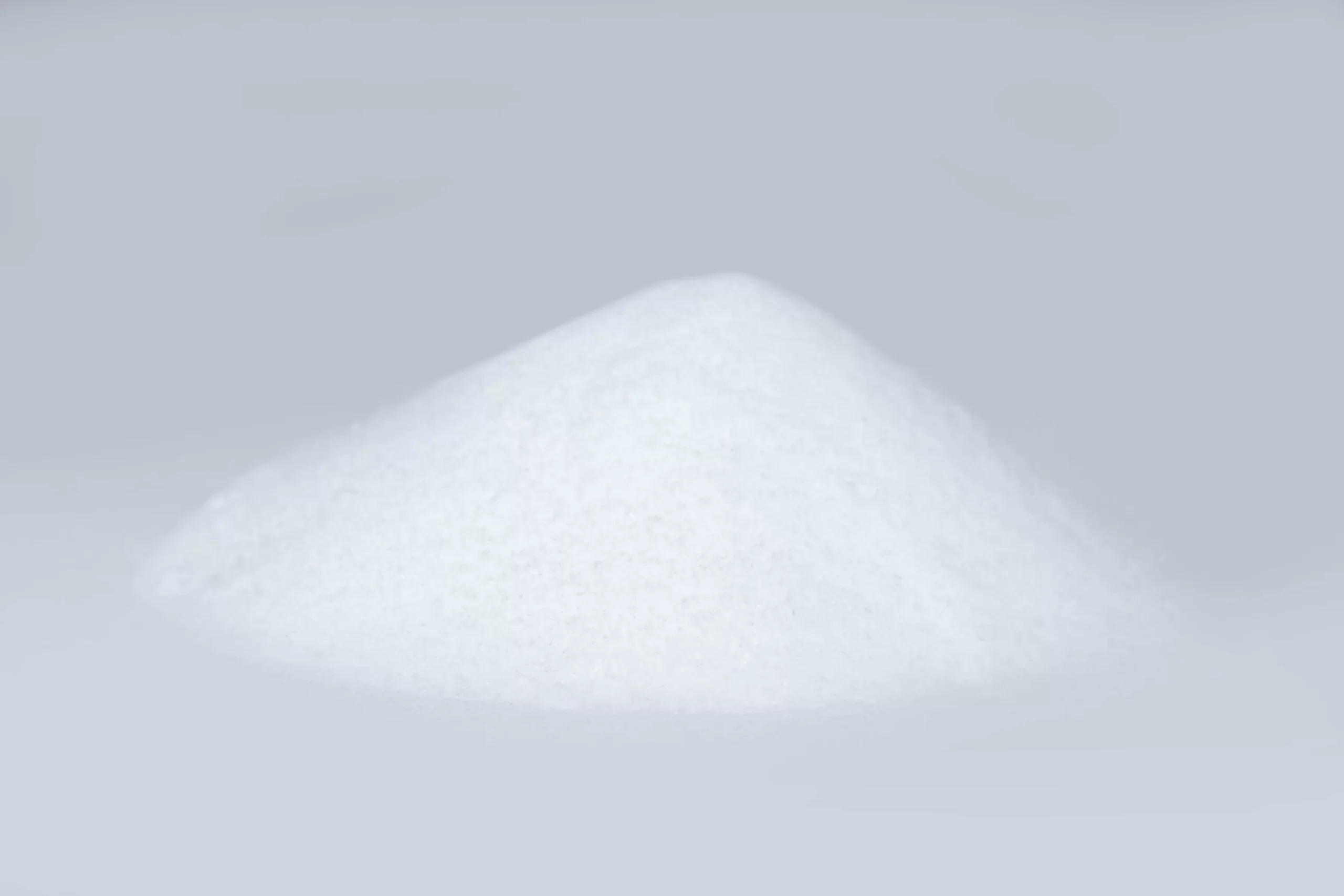
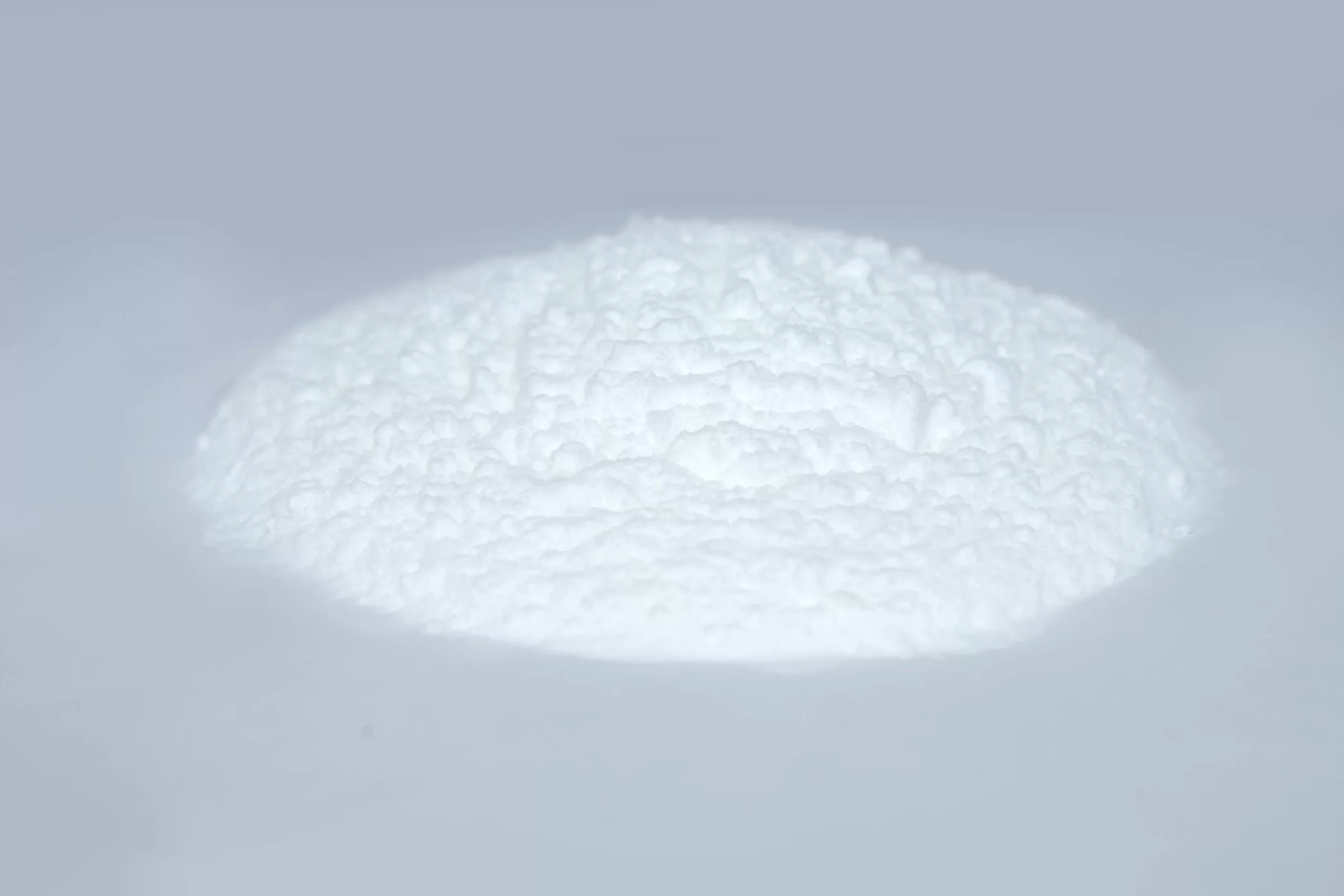
Dichloro 5 5 Dimethyl Hydantoin (DCDMH) is a chlorinated hydantoin compound widely utilized as a disinfectant and sanitizer. It's a white, crystalline powder with a chlorine odor. Its key advantage lies in its stable release of chlorine, providing long-lasting disinfection properties. Unlike some chlorine-based disinfectants, DCDMH offers greater stability and reduced odor. It’s an effective biocidal agent against bacteria, viruses, fungi, and algae, making it suitable for a broad range of applications. Leache Chemical ensures the highest purity and consistent chlorine content in our DCDMH products.
Key Highlights: DCDMH offers a stable chlorine release, providing long-lasting disinfection. It’s effective against a wide spectrum of microorganisms and offers greater stability than some alternative disinfectants.
The versatility of DCDMH makes it a crucial component in many industries. Primary applications include:
Leache Chemical stands out as a premier DCDMH manufacturer due to our unwavering commitment to quality, reliability, and customer service. We offer:
Key Advantages of Partnering with Leache Chemical:
• High-quality DCDMH with consistent chlorine content
• Reliable supply chain and timely deliveries
• Competitive pricing for bulk orders
• Dedicated customer support and technical assistance
Understanding the specifications of DCDMH and comparing it with other disinfectants is vital for informed decision-making. Here's a comparison of key properties:
While DCDMH is a highly effective disinfectant, proper handling and safety precautions are crucial. Always wear appropriate personal protective equipment (PPE), including gloves, safety glasses, and a dust mask. Avoid contact with skin and eyes. Ensure adequate ventilation when handling the product. Store DCDMH in a cool, dry place away from incompatible materials. Refer to the Safety Data Sheet (SDS) for detailed safety information.
Partnering with Leache Chemical ensures a consistent supply of high-quality DCDMH, backed by expert support and competitive pricing. We are committed to meeting your disinfection needs with reliable products and exceptional service. Contact us today to discuss your requirements and experience the Leache Chemical difference.
Typically, DCDMH has a shelf life of 2-3 years when stored correctly in a cool, dry, and well-ventilated area, away from direct sunlight and moisture. However, the actual shelf life can vary depending on storage conditions. It's essential to check the product packaging for the manufacturer's recommended expiration date. Over time, the available chlorine content may gradually decrease, reducing its effectiveness.
DCDMH offers several advantages. Its stability means it maintains its chlorine concentration for longer, leading to more consistent disinfection. It also produces less odor compared to liquid sodium hypochlorite. Furthermore, DCDMH is easier to handle and store as a solid, reducing the risk of spills and leaks. These factors contribute to greater safety, efficiency, and cost-effectiveness.
Leache Chemical offers a variety of packaging options to meet your specific requirements, including 25kg drums, 50kg drums, and customized packaging solutions. We can also accommodate specific labeling and documentation requests. We are committed to providing flexible packaging solutions that ensure product integrity and ease of handling.
DCDMH can be used for drinking water treatment, but it’s critical to adhere to strict regulations and guidelines established by local health authorities. The correct dosage must be carefully controlled to ensure the residual chlorine levels remain within safe limits. It’s important to follow the manufacturer's instructions and conduct regular water quality monitoring. Contact Leache Chemical for guidance on appropriate application rates and safety protocols.